
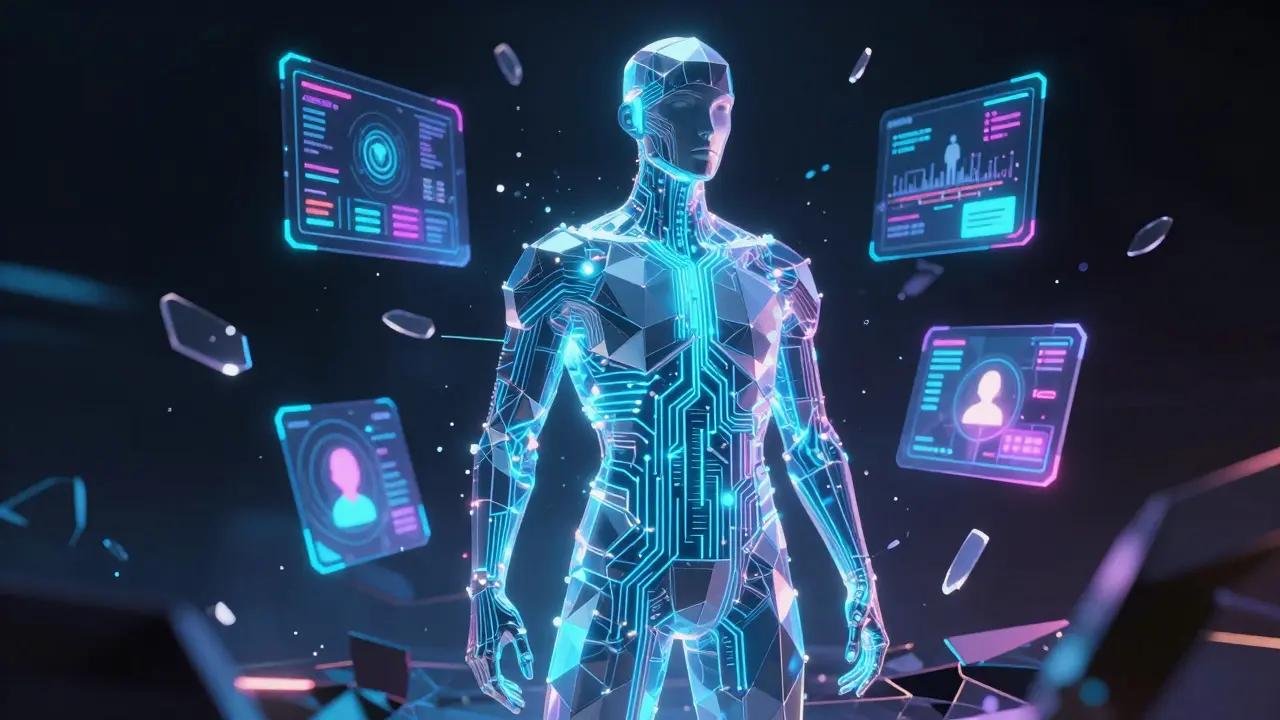
Remember when your online persona was just a username and a static profile picture? That era is over. In 2026, your digital identity is a complex, tradeable asset that moves with you across different virtual spaces. This shift isn't just about looking cool in a game; it's about owning who you are in the digital realm. The technology powering this change is the avatar NFT.
If you've been hearing buzzwords like 'metaverse,' 'Web3,' and 'blockchain' but aren't sure how they connect to your daily online life, you're not alone. Avatar NFTs are the bridge between these concepts. They turn your character from a rented account feature into a property you truly own. Let's break down what this means for you, how it works under the hood, and why it matters for the future of the internet.
What Exactly Is an Avatar NFT?
To understand avatar NFTs, we need to separate three things: the image, the token, and the identity. An avatar is simply a digital representation of you-a 3D model or pixel art character. A Non-Fungible Token (NFT) is a unique certificate on a blockchain that proves you own that specific item. When you combine them, you get an avatar NFT.
The European Commission defined avatars in their 2026 FAQ as "a digital representation of a person or user within a virtual world." But here’s the kicker: unlike the skin you bought in a video game five years ago, an avatar NFT is yours. It lives on public blockchains like Ethereum or Polygon. If the game server shuts down tomorrow, your avatar doesn't disappear. You still hold the token. You can sell it, trade it, or bring it to a new platform.
From Profile Pictures to Portable Identities
The journey started with simple images. Back in 2017, CryptoPunks launched 10,000 unique pixel characters. Then came Bored Ape Yacht Club in 2021. These were Profile Picture (PFP) projects. People used them as Twitter headers or Discord icons. They signaled membership in a community. If you had a Bored Ape, everyone knew you were part of that club.
But by 2025 and 2026, the focus shifted. We moved from static JPEGs to interoperable 3D characters. Platforms like Decentraland and The Sandbox allow you to walk around as your NFT avatar. Sebastien Borget, co-founder of The Sandbox, put it best in 2022: "Avatars are the new representation of a user’s identity in the metaverse." Today, that vision is becoming reality. Your avatar isn't just a face; it's your passport.
This portability is the game-changer. In the old web (Web2), if you left Facebook, you lost your friends list and your profile. In Web3, your wallet holds your identity. You log into a new virtual world, connect your wallet, and boom-your avatar appears, along with its history and reputation.
How Avatar NFTs Work Technically
You don't need to be a coder to use them, but knowing the basics helps demystify the hype. At its core, an avatar NFT is a smart contract entry. It points to metadata-the data describing your avatar. This includes visual traits (hair color, clothing style), animation rigs (how it moves), and behavioral traits.
The Metaverse Standards Forum released a crucial document in October 2025 regarding NFT metadata for avatars. Why does this matter? Because without standards, every platform would speak a different language. Your avatar might look great in one world but appear as a glitchy blob in another. The 2025 specs define fields for cross-platform recognition. This ensures that when you wear a rare digital jacket in one game, it renders correctly in another.
Security comes from the blockchain itself. Once minted, the record of ownership is immutable. No one can fake your avatar or steal your provenance. As Techskill Brew noted in 2022, the distributed ledger prevents forgery. However, there is a catch: while the *ownership* is secure on-chain, the actual 3D model files are often stored off-chain (on servers). If those servers go down, you might lose the visual file, even if you still own the token. This is known as "link rot," and it's a current challenge the industry is working to solve using decentralized storage solutions like IPFS.
Utility: More Than Just Looks
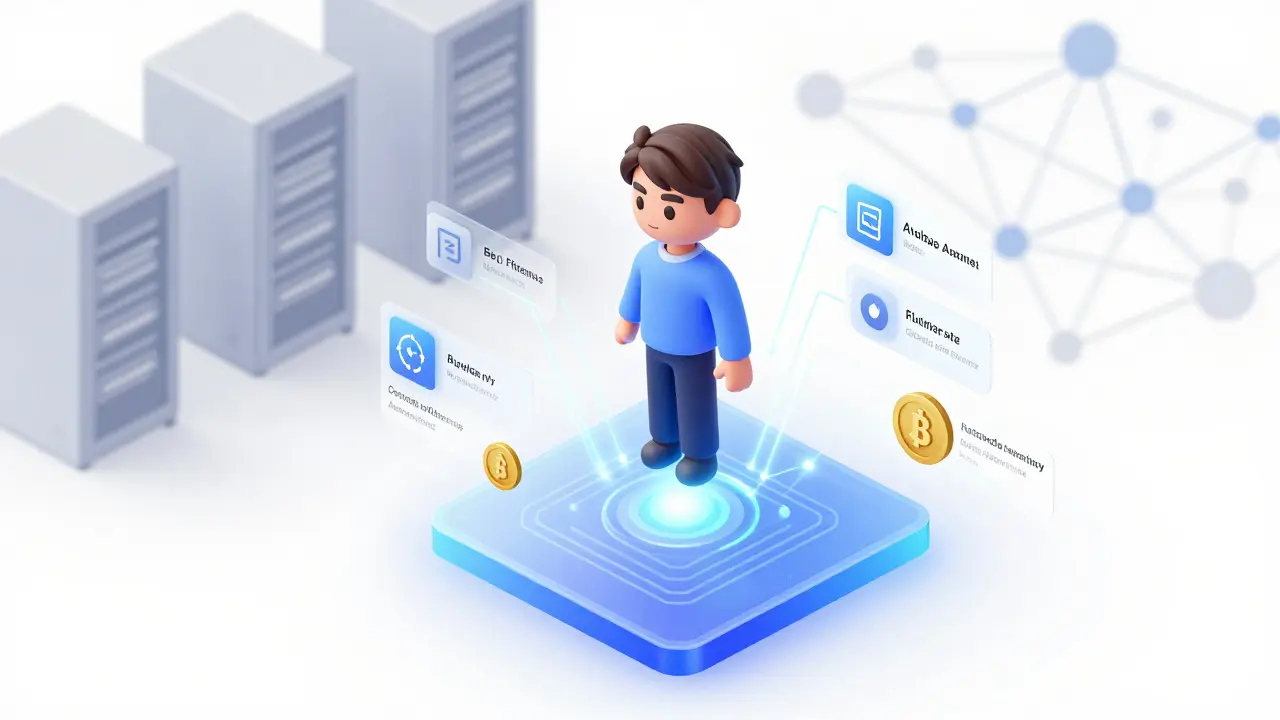
Why do people spend money on these? It’s not just vanity. Avatar NFTs carry utility. Think of them as keys.
- Gated Access: Some virtual clubs or events only let in holders of specific avatar NFTs. It’s like having a VIP pass that never expires.
- Community Membership: Owning a certain avatar might grant you voting rights in a DAO (Decentralized Autonomous Organization) or access to private Discord channels.
- Economic Value: Rare traits increase value. If your avatar has a legendary sword or exclusive designer clothing, it might fetch a higher price on marketplaces.
- Reputation Building: Your actions in virtual worlds can be tied to your avatar. Helping others, creating art, or winning games builds a traceable reputation history linked to your NFT.
A 2024 case study in the SJMBT journal highlighted that promotional strategies now focus heavily on these utilities. Brands aren't just selling images; they're selling access to co-creation activities and in-world rewards.
The Privacy Paradox
Here’s where it gets tricky. On one hand, you control your identity. On the other, everything is recorded forever. Blockchain is transparent. If you link your real-world identity to your avatar NFT, that connection is permanent.
A Korean user study published in July 2024 involving 31 participants found mixed feelings. Users loved the authenticity of reflecting their real appearance in social VR. But they worried about data misuse. Legal scholars have warned that persistent identity records could conflict with privacy laws like GDPR, which includes the "right to be forgotten." How do you delete your data when it’s etched into a blockchain?
This is a major debate in 2026. Regulators in the EU are watching closely. The trend is moving toward zero-knowledge proofs-technology that lets you prove you own an asset or meet age requirements without revealing your actual identity. Until then, users must be cautious about what personal data they embed in their avatars.
Getting Started with Avatar NFTs
Ready to try it? Here is the practical path most users follow in 2026:
- Get a Wallet: Download a crypto wallet like MetaMask or Phantom. This is your key to the metaverse. Keep your seed phrase safe; losing it means losing your avatars.
- Fund Your Wallet: Buy some cryptocurrency (ETH or MATIC are common) to pay for transaction fees (gas).
- Choose a Platform: Decide where you want your identity. Do you want a PFP for social media or a 3D avatar for Decentraland?
- Mint or Buy: You can create your own avatar using tools that handle the technical minting process, or buy one from a marketplace like OpenSea or Rarible.
- Connect and Customize: Link your wallet to the virtual world. Add wearable NFTs (clothes, accessories) to personalize your look.
Blockchain Research Lab notes that creators can mint avatars with little technical skill today. Marketplaces automate the contract deployment. The barrier to entry is lower than ever.
Comparison: Traditional Avatars vs. Avatar NFTs
| Feature | Traditional Avatar (Web2) | Avatar NFT (Web3) |
|---|---|---|
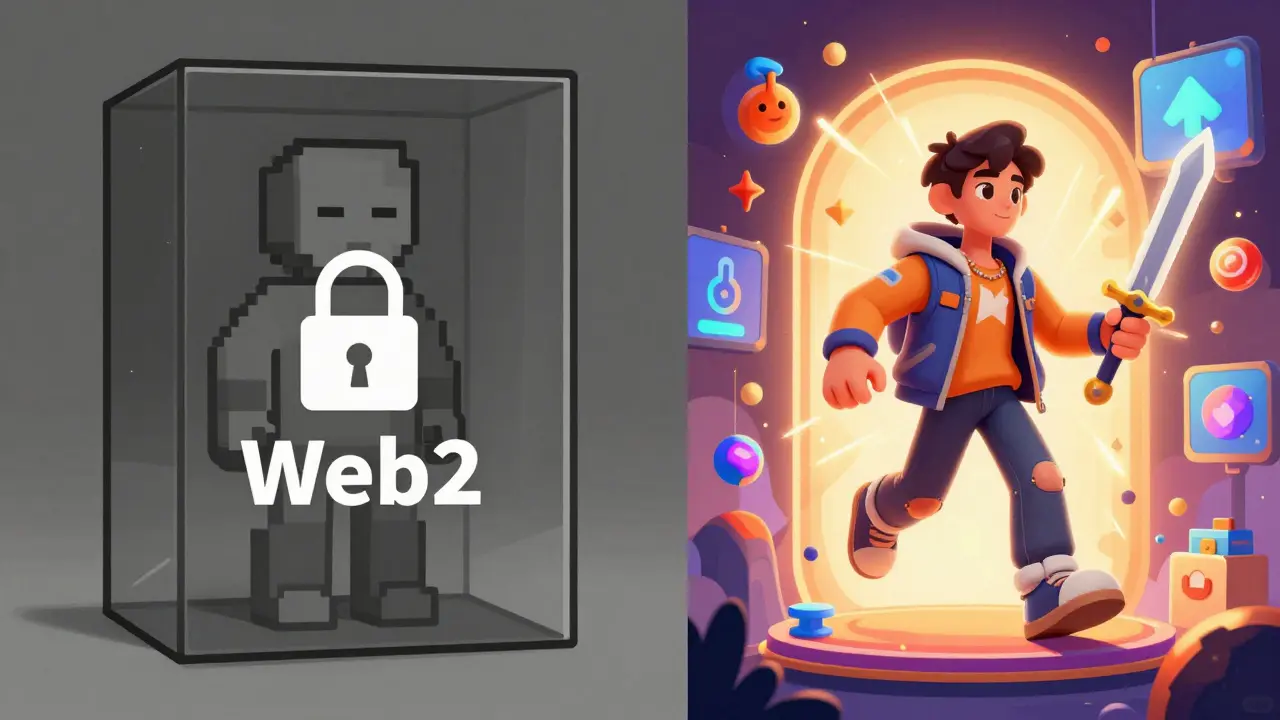
| Ownership | Licensed from the company. You rent it. | You own the token. True property rights. |
| Portability | Stuck in one game or app. | Can move across compatible platforms. |
| Resale Value | Usually zero. Cannot be sold. | Tradeable on open markets. Can appreciate. |
| Data Control | Company controls your data and behavior. | User controls identity via private keys. |
| Interoperability | Low. Assets don't transfer. | High (with standards). Assets travel with you. |
The Future: Standardization and Trust
We are still early. The biggest hurdle right now is fragmentation. Not all platforms talk to each other yet. But the work done by the Metaverse Standards Forum in late 2025 suggests a unified future. Imagine logging into any virtual space and seeing your exact same avatar, with your exact same reputation score, instantly.
Experts predict that avatar NFTs will become the standard interface for digital interaction. They won't just be for gamers. Professionals might use them for virtual meetings, artists for galleries, and fans for concerts. The key to long-term success? Balancing financial incentives with genuine community culture. If projects focus only on speculation, trust erodes. If they focus on utility and expression, they thrive.
Is it expensive to start with avatar NFTs?
It depends. Buying popular collections can cost thousands of dollars. However, many platforms allow you to mint your own avatar for free or for a small fee, especially on low-cost blockchains like Polygon. You can also start with cheaper "floor price" items to learn the ropes before investing more.
Can I use my avatar NFT on multiple platforms?
Yes, if the platforms support interoperability standards. The 2025 Metaverse Standards Forum guidelines are helping to make this possible. Currently, ecosystems like Decentraland and The Sandbox have their own internal compatibility, but cross-platform usage is growing rapidly.
What happens if I lose my wallet password?
If you lose your private key or seed phrase, you lose access to your avatar NFTs permanently. There is no "forgot password" button in blockchain. This is why securing your recovery phrase is the most critical step in getting started.
Are avatar NFTs good investments?
They are highly speculative. Prices fluctuate based on trends, community strength, and utility. While some early adopters made significant profits, many collections have lost value. Experts advise treating them primarily as identity tools rather than guaranteed financial assets.
How do avatar NFTs protect my privacy?
By default, blockchain transactions are public. To protect privacy, avoid linking your real name or personal details directly to your wallet address unless necessary. Emerging technologies like zero-knowledge proofs aim to verify identity without exposing personal data, offering better privacy protection in the future.